


What Is Sustainable Menstruation: a Practical Guide
Sustainable menstruation means making deliberate choices about period care products that reduce environmental harm, protect personal health, and lower long-term costs. Most people don’t realize that a single person using disposable pads and tampons generates roughly 150 kg of menstrual waste over a lifetime. That waste is largely plastic and sits in landfills for centuries. What is sustainable menstruation, then, at its core? It is a shift from single-use products toward reusable, biodegradable, and toxin-free alternatives. This guide covers the products, the evidence, the real challenges, and how to make the switch without overcomplicating it.
Table of Contents
- Key takeaways
- What is sustainable menstruation and how products differ
- Environmental and health impacts of disposable products
- Practical considerations when switching
- Social and economic benefits beyond the environment
- How to choose and integrate sustainable products
- My take on sustainable menstruation after years of covering it
- Try Natissy reusable period products
- FAQ
Key takeaways
| Point | Details |
|---|---|
| Sustainable menstruation defined | Choosing reusable or biodegradable period products that reduce plastic waste and chemical exposure. |
| Multiple product options exist | Menstrual cups, reusable cloth pads, and period panties each suit different lifestyles and flow levels. |
| Significant environmental savings | Switching to reusable products can reduce menstrual waste by hundreds of kilograms per person over a lifetime. |
| Real financial benefit | Reusable products pay for themselves within months and cut recurring period costs substantially over time. |
| Adoption takes gradual adjustment | Starting with one reusable product and building from there makes the transition practical and sustainable. |
What is sustainable menstruation and how products differ
Conventional disposable pads and tampons are made primarily from plastic, synthetic fibers, and bleached materials. They are used once and discarded. Sustainable period products are designed to be washed, reused, and maintained over months or years. The difference is not just material. It is a fundamentally different relationship with period care.
The main categories of sustainable menstrual products include:
- Menstrual cups: Soft, flexible cups made from medical-grade silicone. They are inserted to collect flow rather than absorb it. Menstrual cups can last up to 10 years and be worn for up to 12 hours depending on flow.
- Reusable cloth pads: Fabric pads made from organic cotton, bamboo, or similar materials. They fasten to underwear with snaps, are washed after use, and can last two or more years with proper care. Natissy’s organic cotton reusable pads are a good example of this category, made specifically for sensitive skin.
- Period panties: Absorbent underwear with built-in layers that trap flow. They work well as backup or for lighter days.
- Organic disposables: Still single-use, but made without synthetic fragrances, chlorine bleach, or plastic components. A partial step toward eco-friendly menstruation.
| Product | Material | Lifespan | Upfront Cost |
|---|---|---|---|
| Menstrual cup | Medical-grade silicone | Up to 10 years | $10–$40 |
| Reusable cloth pad | Organic cotton or bamboo | 2+ years | $8–$20 per pad |
| Period panties | Absorbent synthetic blend | 2–3 years | $20–$45 per pair |
| Organic disposable | Organic cotton, no plastic | Single use | Similar to conventional |
Pro Tip: If you are new to sustainable period products, start with a reusable pad for your lighter days. It requires no learning curve and gives you a low-pressure way to test the experience before committing to a full switch.
Environmental and health impacts of disposable products
The environmental case for sustainable menstruation is backed by hard data. Disposable pads degrade soil quality by reducing nutrients and microflora in surrounding soil, while used menstrual cups show no significant negative soil impact in the same research. That difference matters when you consider the scale of global pad disposal.
On the air side, the same research found that reusable products show a different environmental profile across their full life cycle compared to disposables, including lower contamination of surrounding air from chemical off-gassing.
The health picture is equally compelling. Menstrual cups do not negatively affect vaginal flora and may actually reduce rates of bacterial vaginosis compared with pads and tampons. For anyone dealing with recurring irritation or sensitivity, this is worth paying attention to. Natissy products are made with organic cotton specifically to avoid the synthetic fragrances and chemical finishes found in most conventional disposable pads.
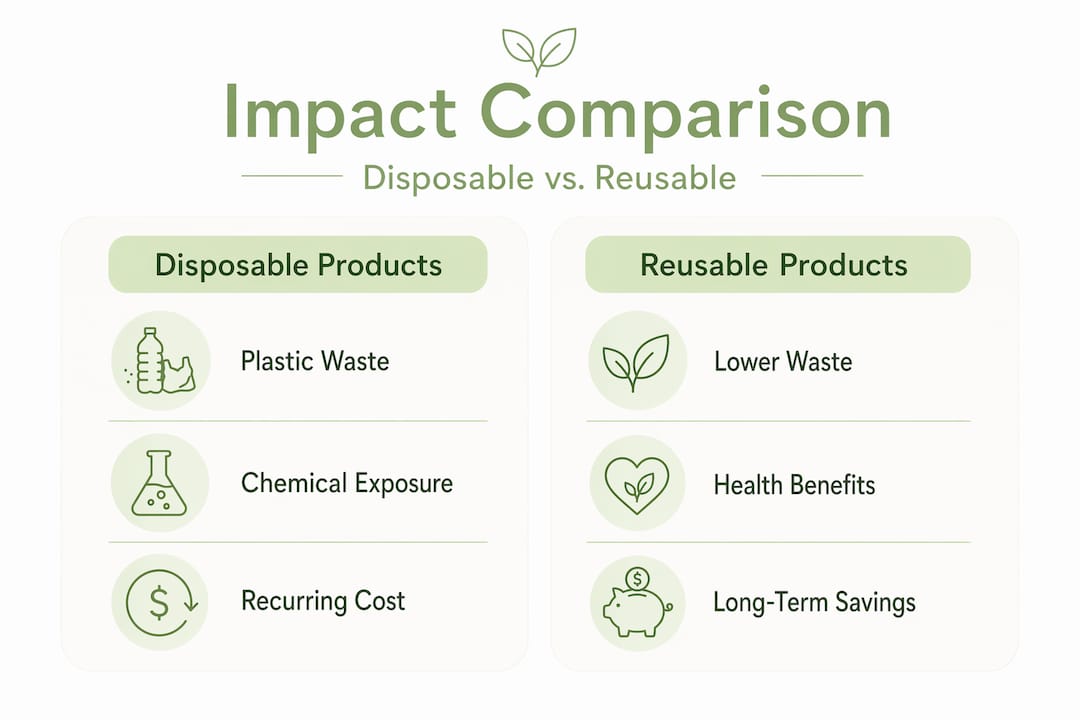
At the population level, the numbers are striking. Switching to menstrual cups could reduce the annual US solid waste burden from hygiene supplies by 240,000 tons. That is not a marginal improvement. It is a structural shift in how much material enters the waste stream.
A useful way to frame the comparison:
| Category | Disposable pads/tampons | Reusable products |
|---|---|---|
| Plastic waste per cycle | High (packaging + product) | Minimal after purchase |
| Chemical exposure | Synthetic fragrances, bleach residues | None with organic materials |
| Soil and air contamination | Documented negative impact | Negligible |
| Vaginal microbiome effect | Potential disruption | Neutral to positive |
Practical considerations when switching
Switching to reusable period products is straightforward once you understand the workflow. The learning curve is real but short. Here is what to expect and how to handle it.
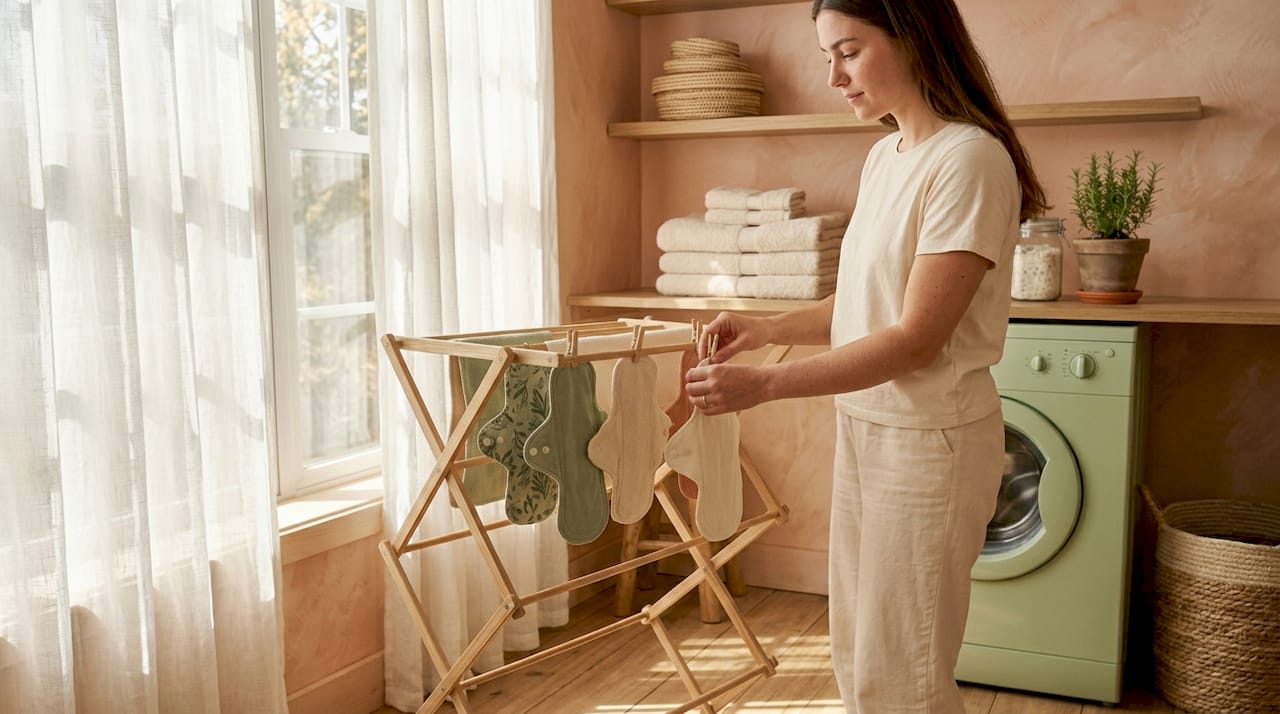
Usage and cleaning for cloth pads:
Reusable cloth pads are rinsed in cold water immediately after removal, then washed with mild soap or in a regular laundry cycle. Cold water is key because hot water can set stains. They air dry quickly and are ready for the next use. A carrying wet bag makes it easy to store used pads when you are away from home, keeping them contained until you can wash them.
Usage and cleaning for menstrual cups:
Cups are emptied every 8 to 12 hours, rinsed with water, and reinserted. At the end of each cycle, they are boiled in water for a few minutes to sterilize. Reusable products require reliable access to water, soap, and private washing space to be practical. In most home settings this is not a barrier, but it is worth thinking through if you travel frequently or work in environments with limited facilities.
Common barriers people report and how to address them:
- Insertion discomfort with cups: Ergonomic redesign of menstrual cups focusing on ease of insertion and fit can improve comfort significantly. If one cup shape does not work, a different size or shape often does.
- Storage when out of the house: A small wet bag solves this completely. Natissy’s carrying bags are designed exactly for this purpose.
- Uncertainty about leaks: Reusable pads with wings and snaps stay in place reliably. Pairing a cup with a backup pad gives full protection while you build confidence.
- Time for cleaning: Rinsing a pad takes under a minute. The total maintenance time per cycle is less than most people expect.
Pro Tip: Soak used cloth pads in cold water for 30 minutes before washing. This removes most of the staining without any scrubbing and keeps the fabric in better condition over time.
Social and economic benefits beyond the environment
Sustainable menstruation addresses more than waste. It has direct financial and social implications that often go unmentioned.
-
Lower monthly costs. Disposable pads and tampons are a recurring expense that adds up to hundreds of dollars per year. Reusable pads can last two years, shifting spending from a recurring monthly cost to a one-time purchase. Menstrual cups cost $10 to $40 upfront and become cost-effective within six months, lasting two to four years on average.
-
Reducing period poverty. Access to affordable, reusable period products directly addresses period poverty. When someone cannot afford monthly supplies, school attendance and work participation suffer. Reusable products break that cycle by removing the monthly cost after the initial purchase.
-
Educational outcomes. UNICEF data consistently links reliable menstrual hygiene management to improved school attendance for girls. Sustainable menstruation is not just about product materials. It addresses financial burdens that force people to choose between period care and basic needs.
-
Community and policy impact. Growing adoption of reusable products creates pressure on policy to support menstrual hygiene infrastructure, including clean washing facilities in schools and public spaces. This benefits everyone, not just those who have already switched.
How to choose and integrate sustainable products
Choosing the right sustainable period product depends on a few practical factors.
- Flow level: Heavy flow benefits from a higher-capacity menstrual cup or a larger reusable pad. Light days work well with smaller pads or period panties.
- Lifestyle: Active lifestyles and sports often suit menstrual cups better. Home-based routines or office settings are ideal for cloth pads.
- Budget: Starting with a reusable pad multipack covers multiple cycle days at a lower total cost than buying individually.
- Skin sensitivity: Organic cotton cloth pads are the best choice for anyone prone to rashes or irritation from conventional products.
- Accessories: A wet bag for on-the-go storage and a mesh laundry bag for washing extend the life of your products and make the routine easier.
For a deeper look at how reusable pads work in practice, the reusable menstrual pads guide from Natissy covers durability, sizing, and care in detail.
My take on sustainable menstruation after years of covering it
I’ve spent years reading research on sustainable feminine hygiene and talking to people who have made the switch. The pattern I keep seeing is the same. People hesitate because they expect sustainable products to feel like a compromise. They assume reusable means less convenient, less reliable, or somehow less hygienic. That assumption is wrong, and the data backs it up.
What I’ve found is that the hesitation almost always comes from unfamiliarity, not from any real flaw in the products. Once someone uses a reusable pad or cup through one full cycle, the objections largely disappear. The products work. They are often more comfortable than disposables. And the financial savings become obvious fast.
The one thing I think gets underplayed is the skin benefit. People with sensitive skin who have dealt with irritation from conventional pads for years often report that switching to organic cotton reusable pads resolves the problem entirely. That alone is worth the switch for many people, independent of any environmental motivation.
My honest take: sustainable menstruation is not a lifestyle statement. It is a practical upgrade. The environmental benefit is real and significant, but so is the personal benefit. If you have been on the fence, the period care myths and facts resource is a good place to clear up whatever is holding you back.
— Natissy
Try Natissy reusable period products
Natissy makes organic cotton reusable menstrual pads and liners designed for comfort, leak protection, and sensitive skin. Every product is washable, toxin-free, and built to last through years of use.
Whether you are starting with a single pad or building a full cycle kit, Natissy has options in multiple sizes and absorbency levels. The Natissy sustainable period care range includes individual pads, multipacks, and carrying accessories that make the switch practical from day one. If you want to try a specific size first, the size M reusable pad is a popular starting point for moderate flow days.
FAQ
What is sustainable menstruation?
Sustainable menstruation means using period care products that reduce plastic waste, chemical exposure, and recurring costs. It includes reusable options like cloth pads, menstrual cups, and period panties made from organic or biodegradable materials.
Are reusable menstrual products actually hygienic?
Yes. Menstrual cups do not negatively affect vaginal flora and may reduce bacterial vaginosis rates compared to disposable products. Reusable cloth pads washed properly in cold water and dried fully are fully hygienic for repeated use.
How long do sustainable period products last?
Menstrual cups made from medical-grade silicone can last up to 10 years. Reusable cloth pads typically last two or more years with regular washing. Both outlast hundreds of cycles of disposable products.
How much money can you save by switching?
Menstrual cups cost $10 to $40 upfront and become cost-effective within six months compared to disposables. Reusable pads shift period spending from a monthly recurring cost to a one-time purchase that covers two or more years.
Is sustainable menstruation practical for people with busy lifestyles?
Yes. Menstrual cups can be worn for up to 12 hours, making them well-suited for long workdays or travel. Reusable pads with a carrying wet bag handle on-the-go use without any added complexity.